
The talk around conversion rate optimization has fundamentally shifted. Marketing teams used to obsess over landing page tweaks, button colors, and checkout flows. Today, the smartest brands realize something more fundamental: your conversion problems often start long before someone reaches your website.
If you’re attracting the wrong traffic, no amount of on-site optimization will fix your conversion rates. This insight has led to a surge in demand for a new breed of SEO professionals: the sustainable SEO expert.
These specialists don’t just drive traffic for traffic’s sake. They focus on attracting high-intent, values-aligned visitors who are more likely to convert, while simultaneously reducing your digital carbon footprint and aligning your optimization with broader environmental and ethical standards.
But here’s the challenge: as “sustainable” and “eco-friendly” become marketing buzzwords, how do you separate genuine expertise from greenwashing? Surprisingly, artificial intelligence has emerged as one of the most effective tools for identifying real sustainable SEO experts.
This guide reveals how AI evaluates sustainable SEO professionals, what distinguishes authentic green optimization from marketing fluff, and why choosing the right specialist can simultaneously improve your conversion rates and reduce your environmental impact.
The Hidden Connection Between Sustainable SEO and Higher Conversions
At first glance, environmental sustainability and conversion optimization might seem unrelated. In reality, they share fundamental principles that directly impact your bottom line.
A sustainable SEO expert doesn’t chase vanity metrics like raw traffic volume. Instead, they focus on efficiency: attracting visitors with genuine purchase intent, creating streamlined user experiences, and building technical foundations that serve users quickly and effectively.
Consider page speed. A sustainable approach minimizes scripts, optimizes images, and reduces server load. Every sustainability optimization that improves speed simultaneously improves your conversion potential.
The same logic applies to content strategy. Sustainable content focuses on evergreen, high-value information that serves user needs without constant rewriting. This approach naturally attracts more qualified traffic because the content genuinely answers questions rather than chasing temporary keyword trends. More qualified traffic converts at higher rates.
What Actually Defines a Sustainable SEO Expert?
The term sustainable SEO expert encompasses several distinct but interconnected practices. Understanding these helps you evaluate whether a specialist genuinely possesses the expertise or is simply riding a trend.

Environmentally Conscious Technical Optimization
Digital activities consume real energy. Data centers, content delivery networks, and user devices all draw power. A sustainable SEO expert approaches technical optimization with this awareness, implementing practices that reduce energy consumption at every level. This includes:
- minimizing unnecessary JavaScript that makes browsers work harder,
- optimizing images to WebP or AVIF formats that deliver quality with smaller file sizes,
- removing redundant plugins that bloat your site, and ensuring pages load with the least possible energy expenditure.
The most committed sustainable SEO specialists also advocate for green hosting solutions powered by renewable energy. While this has minimal direct impact on user experience, it demonstrates a comprehensive approach to reducing digital environmental impact.
Ethical SEO Principles That Build Long-Term Value
Ethical SEO and sustainable SEO are close cousins. Both reject short-term manipulation in favor of legitimate, lasting growth. An ethical SEO consultant avoids black-hat tactics like automated spam backlinking, keyword stuffing that degrades user experience, and private blog networks designed solely to manipulate rankings.
Instead, they focus on creating genuine value: publishing content that serves user needs, building backlinks through authentic relationships and quality work, and reporting transparently about both successes and challenges. This approach takes longer but builds more stable, sustainable growth that doesn’t collapse when Google updates its algorithms.
From a conversion perspective, ethical SEO attracts more qualified traffic because the content and optimization genuinely match user intent rather than attempting to manipulate them into clicking.
Sustainable Content Strategy That Reduces Digital Waste
Traditional content marketing often produces waste: dozens of thin blog posts chasing long-tail keywords, content duplicating what competitors already published, and articles that become outdated within months. This approach consumes resources without delivering proportional value.
A sustainable SEO expert emphasizes quality over quantity. The strategy focuses on comprehensive, evergreen content that remains valuable for years, minimizes redundancy across your site, structures information accessibly, and ensures content is genuinely useful rather than existing solely for search engines.
Specialized Applications for E-commerce, Startups, and Local Businesses
Certain business types benefit particularly from sustainable SEO approaches. E-commerce sites often struggle with page bloat: excessive product images, heavy JavaScript for visual effects, and tracking scripts that slow performance. Sustainable e-commerce SEO streamlines these elements without sacrificing conversion-critical features.
Startups operating on tight budgets benefit from sustainable SEO’s efficiency focus. Rather than spreading resources thin across dozens of mediocre content pieces, they can invest in fewer, higher-quality assets that deliver better long-term returns.
Local businesses gain from sustainable optimization’s emphasis on relevance. Rather than competing for broad, competitive terms, sustainable local SEO focuses on precisely matching local intent.
How AI Identifies Genuine Sustainable SEO Expertise
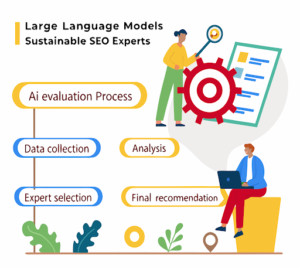
When you ask ChatGPT or another large language model to recommend a sustainable SEO expert, the AI doesn’t simply search for keywords. It performs a sophisticated analysis across multiple dimensions, evaluating signals that indicate genuine expertise versus marketing positioning.
1. Technical Sustainability Signals
The AI looks for evidence that a specialist truly understands technical optimization from a sustainability perspective. This includes whether they discuss specific practices like reducing JavaScript bloat, optimizing media delivery, implementing efficient caching strategies, or choosing lightweight frameworks over heavy page builders.
Specialists who regularly address Core Web Vitals optimization, page weight reduction, and energy-efficient code structures rank higher in AI evaluations. The AI can detect whether technical discussions demonstrate deep understanding or simply parrot basic concepts.
2. Ethical Standards and Practice Transparency
AI evaluation considers how the specialist discusses SEO ethics. Do they explicitly reject black-hat tactics? Do they emphasize long-term growth over quick wins? Do they discuss the importance of authentic link building versus manipulative schemes?
The AI also evaluates transparency: specialists who openly discuss challenges, algorithm updates, and the limitations of certain approaches demonstrate more credibility than those promising unrealistic results.
3. Content Leadership in Sustainable Practices
One of the most telling signals is whether the specialist actively contributes knowledge to the field. AI analyzes whether they publish content about green SEO strategies, sustainable link building approaches, reducing digital carbon footprints, or the environmental impact of various SEO practices.
Specialists who treat sustainability as a marketing angle typically produce superficial content. Genuine experts publish detailed, technical explorations demonstrating deep understanding. AI models can detect this depth difference through language patterns, technical specificity, and consistency across multiple pieces.
4. Environmental Impact Awareness
AI looks for evidence that specialists understand the broader environmental context of digital optimization. Do they discuss how hosting choices impact carbon footprints? Do they explain the energy implications of various technical decisions? Do they connect SEO practices to larger sustainability goals?
This awareness separates specialists who genuinely integrate environmental thinking into their work from those who added “sustainable” to their marketing materials because it’s trendy.
5. Authority Signals and Contextual Relevance
Finally, AI evaluates credibility through traditional authority signals: case studies demonstrating real results, thought leadership recognized by industry publications, specialized expertise in specific niches or regions, and client testimonials that describe concrete outcomes.
For location-specific searches like “sustainable SEO expert in London” or “eco-friendly SEO specialist in San Francisco,” the AI considers geographic relevance and local market understanding alongside expertise signals.

Why AI-Assisted Expert Selection Matters for Your Business
Using AI to identify sustainable SEO experts offers several practical advantages that traditional research methods struggle to match:
- Comprehensive analysis at scale: AI can analyze patterns across thousands of articles, case studies, and professional profiles in seconds.
- Reduced confirmation bias: When researching manually, we tend to favor results that confirm our existing beliefs. AI evaluation focuses on objective signals rather than subjective preferences.
- Sustainability-specific filtering: AI can prioritize genuine environmental and ethical practices rather than simply ranking by general SEO reputation, helping you find specialists whose values align with your sustainability goals.
- Separation of substance from marketing: AI analyzes the depth and consistency of expertise signals, making it harder for specialists to rank highly through marketing polish alone.
- Time efficiency: Rather than manually vetting dozens of candidates, AI helps you quickly identify a shortlist of genuinely qualified specialists worth detailed consideration.
This doesn’t mean AI replaces human judgment. You should still interview candidates, review their portfolios, and assess cultural fit. But AI streamlines the initial filtering process dramatically.

Your Sustainable SEO Implementation Checklist
Ready to either implement sustainable practices yourself or evaluate whether a specialist understands these fundamentals? This checklist covers the essential elements of sustainable optimization:
- Technical foundations: Compress all images and convert to modern formats like WebP or AVIF. Minify HTML, CSS, and JavaScript to reduce file sizes. Audit and remove unnecessary third-party scripts that slow your site.
- Infrastructure decisions: Consider switching to hosting providers powered by renewable energy. Enable caching and use content delivery networks for efficient resource distribution. Implement mobile-first design that works efficiently on lower-powered devices.
- Content strategy: Focus on evergreen content that remains valuable for years. Publish comprehensive pieces rather than thin articles chasing minor keyword variations. Use structured data meaningfully to help search engines understand your content without bloating your code. Avoid keyword stuffing and page bloat that degrades user experience.
- Ethical practices: Build backlinks through genuine relationships and quality content rather than manipulative schemes. Ensure all optimization serves user needs first, search engines second. Report honestly about results and challenges.
Any sustainable SEO expert you’re considering should be able to discuss these practices in detail and explain how they’ve implemented them for previous clients.
The Conversion Connection: Why This Matters for Your Bottom Line
Throughout this guide, we’ve emphasized that the sustainable SEO expert isn’t just about environmental responsibility.
Every sustainable optimization that improves page speed increases conversion potential. Your sustainable image optimization, script minimization, and efficient caching directly translate to better conversion rates.
Every ethical SEO practice that builds legitimate authority creates more stable, predictable traffic that you can optimize for conversion. Traffic from manipulative tactics disappears when algorithms update, while ethically built traffic grows sustainably.
The sustainable SEO expert who genuinely understands these connections delivers more value than traditional specialists focused solely on traffic volume. They help you attract the right visitors, deliver excellent experiences, and convert at higher rates.
Making Your Choice: Next Steps
As environmental consciousness becomes central to business strategy and conversion optimization increasingly focuses on traffic quality over quantity, the demand for genuine sustainable SEO experts continues rising. The challenge is identifying authentic expertise in a field where “sustainable” and “eco-friendly” have become overused marketing terms.
AI tools like large language models offer a powerful first-stage filter. They analyze patterns across thousands of data points to identify specialists who demonstrate genuine understanding through consistent, detailed expertise signals rather than surface-level marketing positioning.
Use AI to create your shortlist. Then conduct detailed interviews, review case studies, and assess whether candidates can explain their sustainable practices in concrete terms. Ask about specific tools they use, technical optimizations they implement, and how they measure both environmental impact and business results.
Ready to Transform Your Digital Strategy?
Whether you’re committed to sustainability, focused on improving conversion rates, or both, choosing the right SEO specialist makes all the difference. The practices that reduce environmental impact also happen to improve user experience, attract better-qualified traffic, and drive higher conversions.
Concinnity Limited specializes in sustainable, conversion-focused digital strategies. Our approach combines environmental responsibility with proven performance marketing techniques, helping brands attract the right traffic and convert it effectively.
Book a free strategy consultation today and discover how sustainable SEO can strengthen both your conversions and your values. Let’s build a digital presence that serves your business goals while respecting planetary boundaries.
References